
This might come as a surprise to you, but retirement isn’t sold by the couple. It’s not like trying to book a cruise, where they make it just about impossible to travel as a single person.
But there are some things you might need to think about (or things that you’ve been thinking about your entire single life) when it comes to retirement. After all, when there isn’t another income, another Social Security benefit, or another person splitting the mortgage and the electric bill, retirement can feel like a very expensive solo act.
The good news is that for single women, the numbers may look different…but different doesn’t automatically mean worse.
Yes, There Are a Few Financial Realities
Some expenses don’t get cut in half just because there’s one person in the household.
Housing, utilities, insurance, and maintenance are obvious examples. Single women are also relying primarily on their own Social Security benefits and retirement savings, and women tend to live longer, which means those resources may need to last a long time. Healthcare and the possibility of needing help later in life deserve some planning, too.
Those things matter. But they aren’t the whole story. In fact, being single can give you something that’s surprisingly valuable in retirement planning:
Flexibility.
You Only Have One Retirement Vision to Agree On
Ask any financial advisor who works with couples, and they’ll tell you that two people don’t always picture retirement the same way. One may want to travel while the other wants to buy a boat. One may want to move closer to the kids, while the other has no intention of leaving the house they’ve lived in for 30 years. One may be perfectly comfortable spending money, while the other would prefer to personally escort every dollar safely into the grave.
When you’re single, those negotiations disappear. You can decide whether to downsize, move across the country, work part-time because you enjoy it, spend three months traveling or happily putter around your garden for the rest of the year. You get to shape your retirement around your own priorities.
That kind of flexibility can be a real financial advantage.
You Can Design Your Spending Around What You Actually Value
Retirement planning isn’t about spending as little as possible. It’s about spending intentionally and making sure your money supports the life you want.
Maybe travel matters more to you than having a large home. Maybe you’d rather drive an older car so you can afford theater tickets, or maybe a smaller condo suits you better than a suburban house. When you’re the one setting the priorities, your budget can reflect what you value.
So, instead of asking, “How much does the average retiree spend?” ask yourself, “What do I want to spend MY money on?”
You May Have More Options Than You Think
Retirement doesn’t have to happen all at once. You might reduce your hours gradually, continue consulting, start a business, move somewhere less expensive or stay in your current home for a while longer.
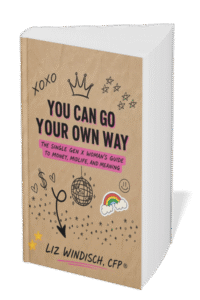
In other words, your retirement can have chapters. As I explore in my book You Can Go Your Own Way, life doesn’t have to follow a traditional script – and retirement doesn’t either.
Your Plan Can Be Built Entirely Around You
To create that plan, you’ll want to understand your housing costs, Social Security benefits, taxes, healthcare expenses, and how much income your savings can support.
But these numbers aren’t meant to tell you what you can’t do. They’re meant to clarify what you can do. They may show that you’re closer to retirement than you thought, that working two more years could help, or that downsizing could open new possibilities.
That’s the value of planning: it replaces “Will I have enough?” with a clearer picture of your options.
So, Do Single Women Need More Money to Retire?
 Not necessarily. What you need is enough money to support your life, your priorities, and your version of retirement.
Sure, being single creates some financial considerations that couples may not have. But it also gives you tremendous freedom to decide where you live, how you spend, whether you work, what you prioritize, and what you want the next chapter to look like.
You don’t have to build your retirement around somebody else’s expectations.
You can go your own way.
(See what I did there?)
Want more about money, retirement, and creating a life that works for you? Sign up for my newsletter for updates on You Can Go Your Own Way, including release news, new resources, and more practical guidance for building your next chapter on your own terms!