

We’ve all been there. Staring at a computer screen or a blank wall during a meeting, with one question running through our minds: Is this really what I want to do for the rest of my working life?
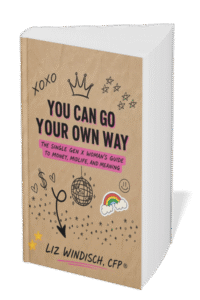
This is exactly the kind of question I’m helping you think through in my book You Can Go Your Own Way: The Single Gen X Woman’s Guide to Money, Midlife, and Meaning. Maybe you’re burned out. Maybe your industry has changed. Maybe you’ve changed. Or maybe you don’t hate your job…you just can’t shake the feeling that there might be something else you’d rather be doing.
For years, you may have assumed you had two choices: stay where you are until retirement or leave and start completely over.
But what if there’s an Option C?
A career change in your 50s doesn’t necessarily mean quitting tomorrow or abandoning everything you’ve built. Instead of asking, “Am I too old to make a career change?” try asking: “What would need to be true financially for me to have more choices?”
First, What Does “Career Change” Mean to You?
We tend to picture a career change as one dramatic leap. Real life doesn’t have to work that way.
Your Option C might be a gradual transition. You could stay in your current job while building something on the side. You might move to a lower-paying position with more flexibility. Or you could use your existing experience in a new industry rather than starting from scratch.
Before deciding a change is financially impossible, get specific about what you want to change. Is it the work? Your employer? Your schedule? The stress? The commute? Or the fact that you have absolutely no desire to spend another decade doing the exact same thing?
Sometimes the solution is smaller and more achievable than you think.
Step 1: Check In on Your Retirement Savings
At 55, your financial timeline is different than it was at 25. That doesn’t mean you can’t take risks. It means you need to understand what those risks could mean for your long-term plan.
Start by looking at where you are with retirement savings. If you earned less or contributed less for a few years, would you still be on track? What happens if a new employer offers a smaller retirement match? If you become self-employed, how will you continue saving?
Use the numbers to understand which version of a career change might work for you. They won’t tell you whether you should make the move, but they can help you make a more informed decision.
Step 2: Plan for Health Insurance
For many people in their 50s, health insurance is one of the biggest practical barriers to leaving a job.
- If you’re not yet eligible for Medicare, create a plan for the gap between leaving employer-sponsored insurance and becoming eligible for Medicare.
- Explore whether coverage could come through a spouse or partner, a new employer, COBRA, or an individual health insurance plan. If you’re considering self-employment, include healthcare costs as a significant part of your budget.
- When comparing job offers, look beyond salary. Health insurance, retirement contributions, paid time off and other benefits all have financial value.
Step 3: Build a “Flexibility Fund”
Career changes can be unpredictable, even when you plan carefully. Prepare for the possibility that a new position may not work out, finding the right job could take longer than expected, or a business might need time to become profitable. You may even discover that your first attempt at Option C isn’t quite right.
Build up extra cash so you have room to adjust without immediately relying on credit cards or dipping into retirement accounts. Think of it as more than an emergency fund. It’s a flexibility fund: money that gives you the ability to make decisions without every unexpected expense becoming a crisis.
A Career Change Can Be Your Next Plot Twist
By your 50s, you’re not starting from scratch; you’re starting with decades of experience, hard-earned perspective, and a skill set that didn’t come from a weekend webinar.
That makes a career change less about reinventing yourself and more about redirecting what you already know toward work that fits the life you have now. You don’t have to make one dramatic, “I quit!” move (although I know you might be fantasizing about that). You could test an idea, build a financial cushion, explore a new field, or make a gradual transition while keeping your current income – and your blood pressure – intact.
Gen X Always Did Things Differently
 You don’t need to have your entire future mapped out before you take the next step. Sometimes the answer comes from trying something new, paying attention to what energizes you, and letting your plans evolve.
In You Can Go Your Own Way, I explore how Gen X women can make intentional choices when the traditional path no longer feels right…and how to build a life that reflects who you are now, not who you were expected to become.
Want more financial tips that apply to you and stay “in the know” about when You Can Go Your Own Way hits the market? CLICK HERE to sign up for my newsletter!